
Contact Us
Talk to the people building the road.
Road users, host communities, transport unions, suppliers, contractors, journalists and government agencies — all reach us through the same front door.
Make an enquiry
Send us a message.
Tell us who you are and what you need. The more specific you are about location — a chainage, a junction, a community name — the faster we can route it to the right team.
If you are reporting something on the corridor that needs attention today, please include the direction of travel and the nearest landmark.
We use the details you provide only to respond to your enquiry. Please do not send confidential commercial information through this form.
Further information
Questions we are asked most.
How do I pay at the toll plaza?
Payment options and accepted methods will be published before tolling begins, and every plaza will be clearly signed on approach so you know which lane to use. Rates are posted at each plaza by vehicle class, so you can see what you owe before you reach the booth.
Will there be places to stop, refuel or rest?
Service and rest facilities along the corridor are part of the project's development plans, and details will be published as they are confirmed. Heavy goods drivers in particular should plan stops in advance for now, as facilities on the corridor are limited during construction.
When will the road be open to traffic?
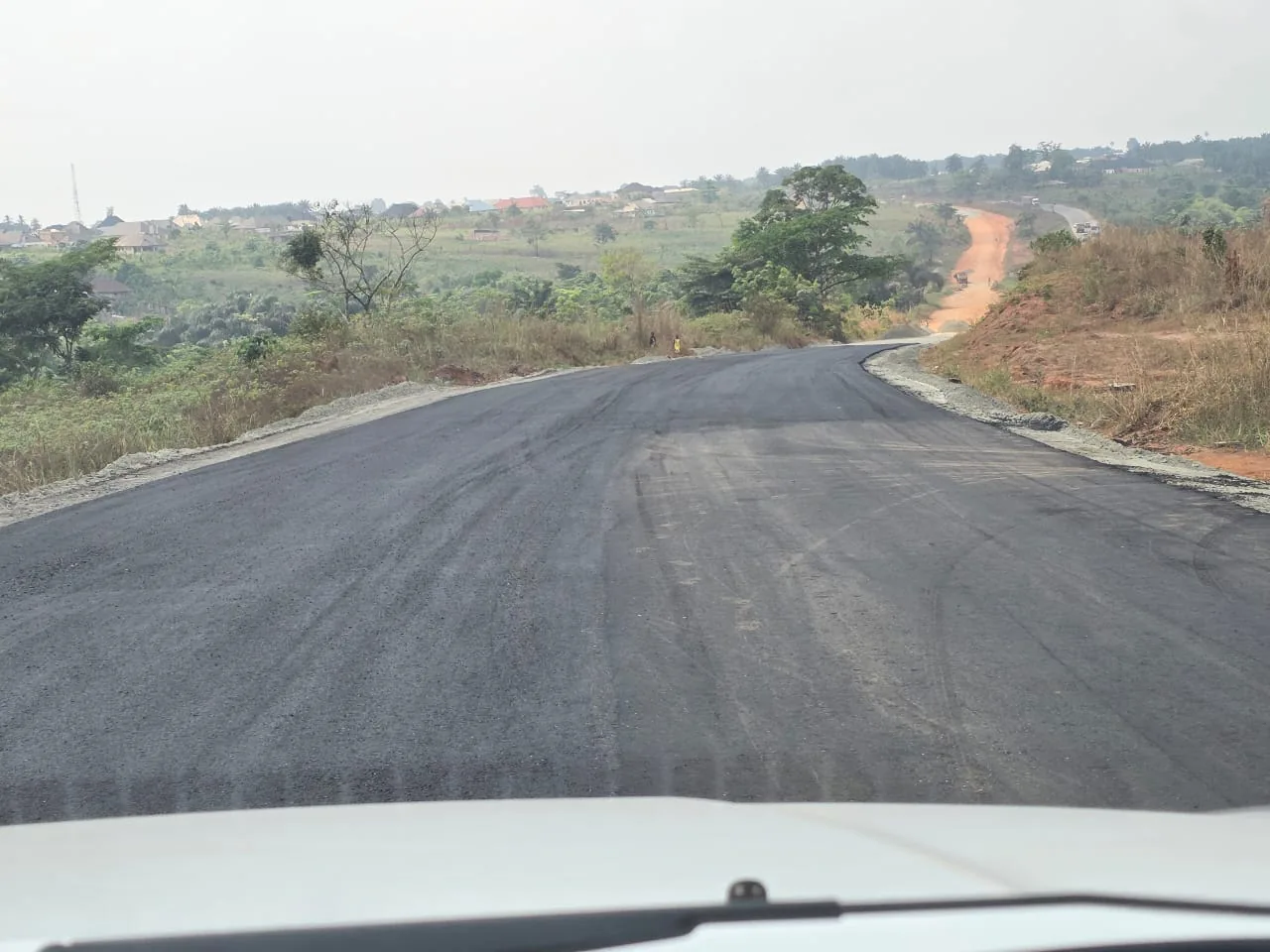
The corridor is being delivered in phases so that completed sections can be opened progressively rather than holding back the whole route until final completion. Construction is currently underway, and section-by-section opening dates will be published on this site as each phase approaches completion.
Why is the project being delivered under a concession model?
A long-term concession enables private-sector capital and expertise to support the development, operation and maintenance of the expressway while establishing a structured framework for sustainable service delivery.
What does the road mean for businesses and communities along the corridor?
The Benin-Asaba route is one of the main freight links between southern and eastern Nigeria. A reliable corridor lowers the cost of moving goods, and that saving reaches markets, traders and transport operators along the route. For the communities on the corridor, it also means better access to markets, schools, hospitals and neighbouring towns, plus jobs during construction and through the operating life of the road.