
About Us
Built for one road, accountable for 25 years.
Why this corridor was chosen, and what rebuilding it delivers for the two states it runs through.
Why Benin-Asaba Highway
Nigeria does not have a spare route for this traffic.
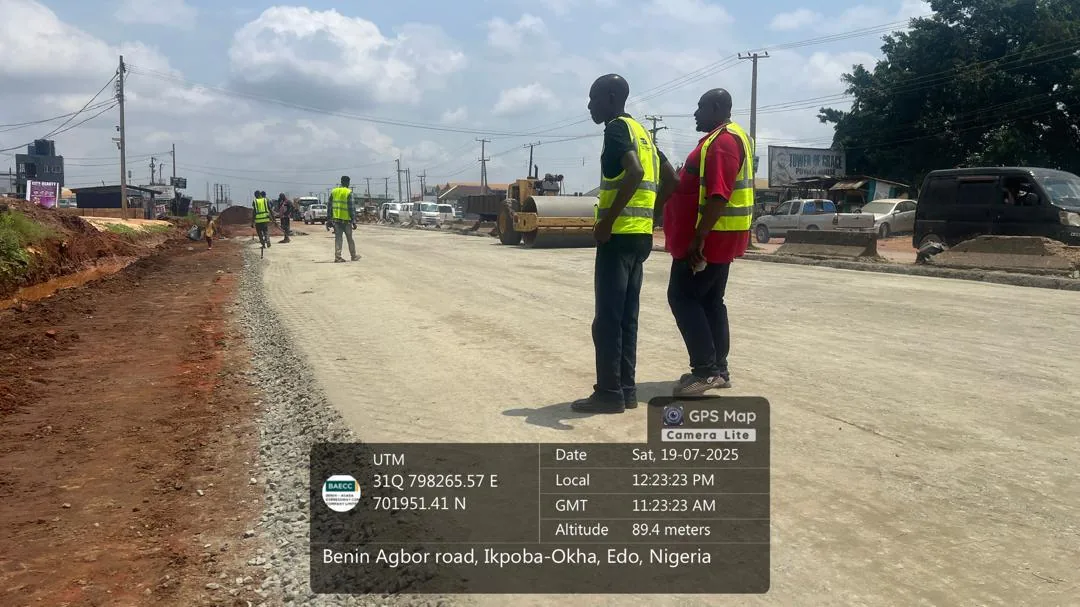
The Benin-Asaba Expressway is the primary arterial connection between Western and Eastern Nigeria. It links the South-West, South-South and South-East, passes through two state capitals, and terminates at the approaches to the First and Second Niger Bridges.
It is a key freight corridor for agriculture, petroleum distribution, fast-moving consumer goods and industrial cargo — and part of one of the busiest road networks on the African continent. An independent count recorded 98,671 vehicles a day across the four plaza locations. Traffic is projected to keep rising with population and industrial growth.
For years, capacity did not keep pace. Deteriorated pavement, bottlenecks and unpredictable transit times pushed up vehicle operating costs, fuel consumption and accident risk, while public capital was stretched across competing national priorities. That combination is what the HDMI concession framework exists to solve.
Three regions, one artery
The corridor connects the South-South, South-West and South-East, passes through two capital cities and feeds the Niger Bridge crossings into the East.
Two state economies
The route underpins economic activity across Edo and Delta States, carrying manufactured products, produce and people between their commercial centres.
No viable alternative
There is no comparable parallel route for through traffic. Fixing this corridor is not a convenience upgrade — it is the difference between the East and West being connected or congested.
What a rebuilt corridor delivers
Economic
Poverty reduction
Better road access strengthens commercial operations and the movement of goods, translating into higher incomes and improved living standards along the corridor.
Economic
Employment
Jobs are created directly across the project life cycle, and indirectly through the market access a functioning road opens up — more goods, better quality, wider variety.
Economic
GDP growth
Rehabilitation stimulates trade and productive activity between the states, feeding through to national output.
Social
Less congestion
Faster travel lowers the cost of commuting and reduces the crash exposure created by queuing, poor surfaces and unpredictable bottlenecks.
Social
Health and education access
Shorter journeys mean faster access to healthcare, and rising trade income supports school attendance across corridor communities.
Environmental
Lower emissions
Gas-powered construction equipment, solar street lighting, tree planting along the route, plastic capture at drainage channels, and less idling in traffic.
Next
See what is happening on the corridor right now.
Current construction status, work-package progress and photographs from the active fronts.